Survey Results
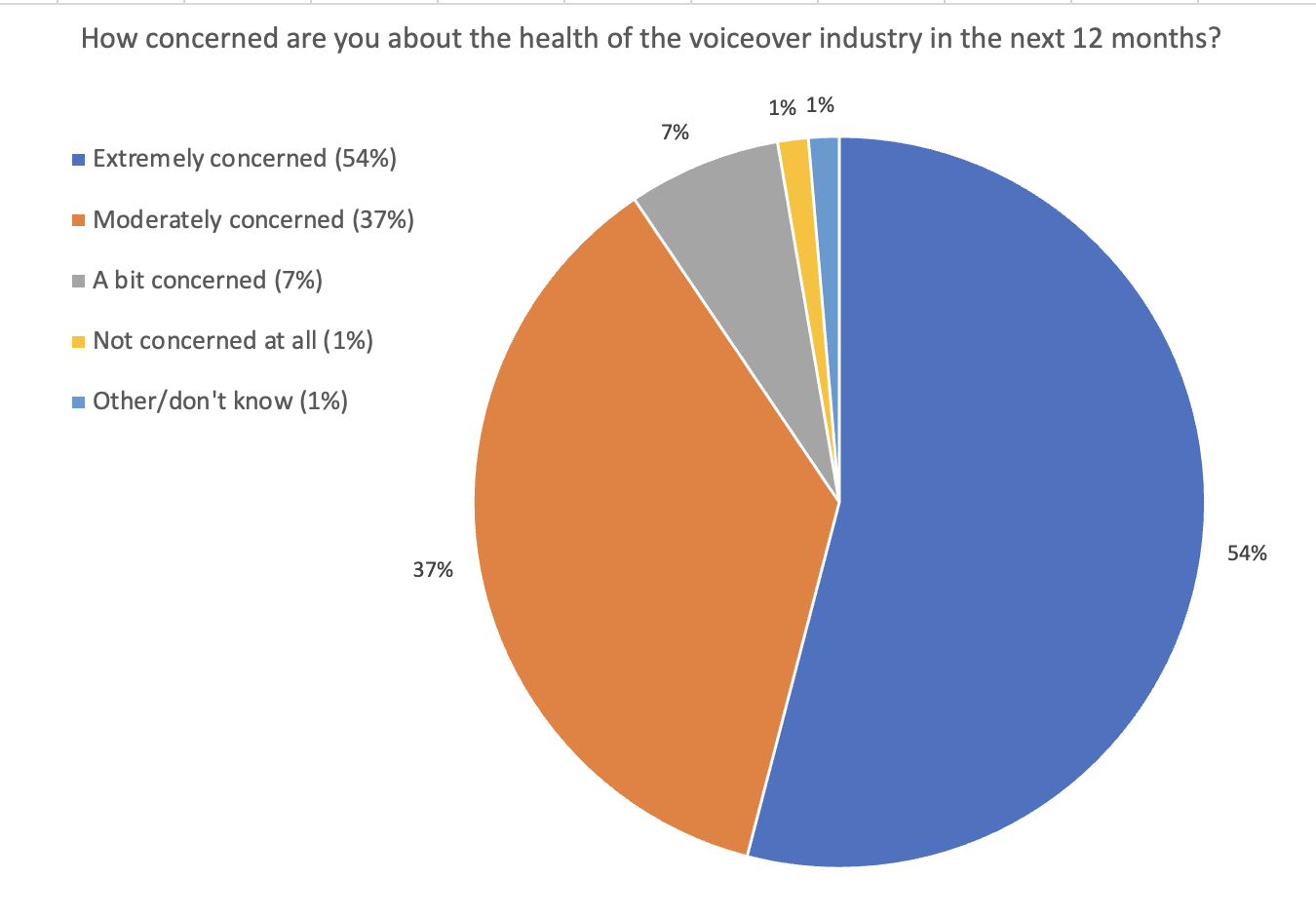
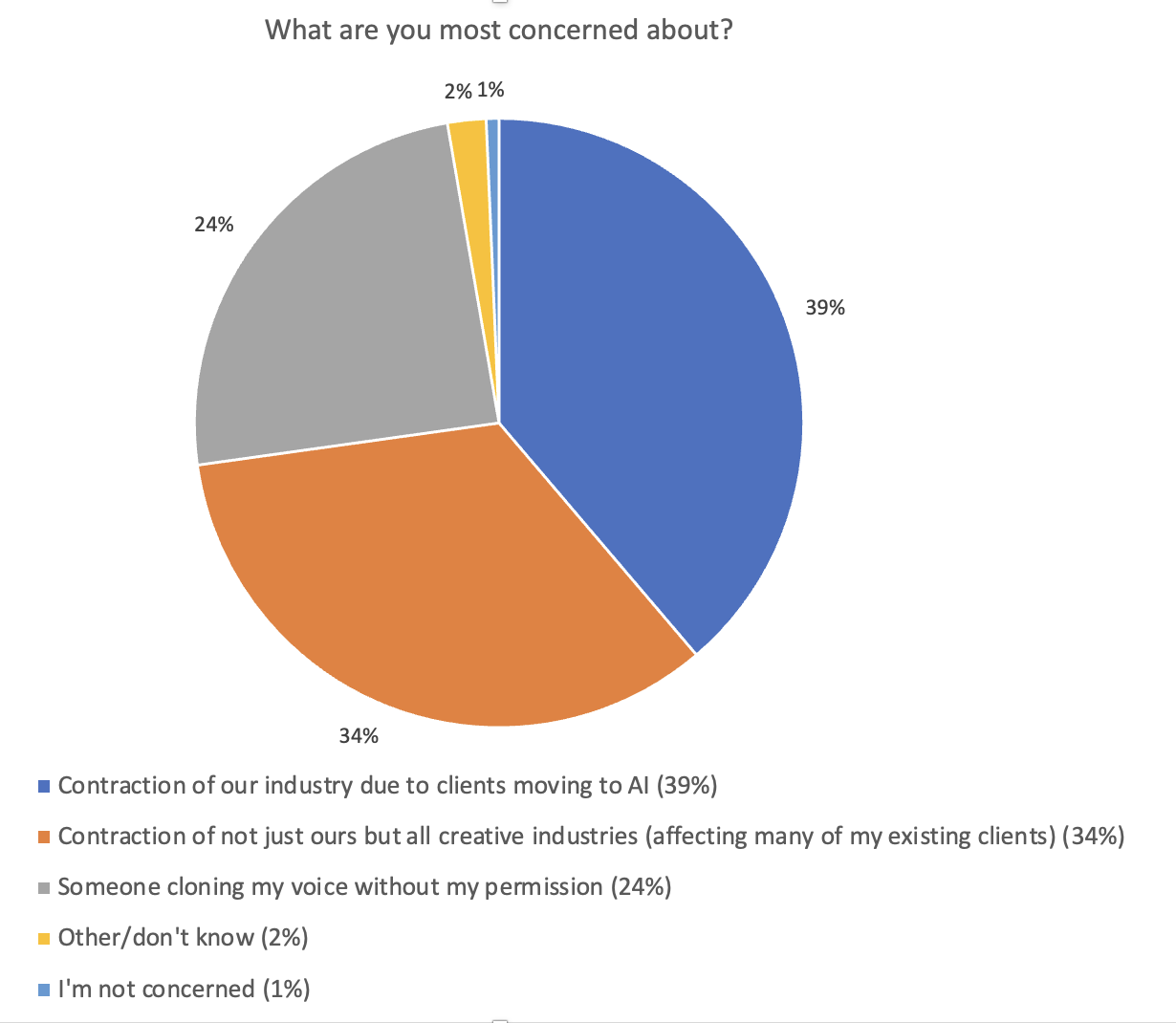
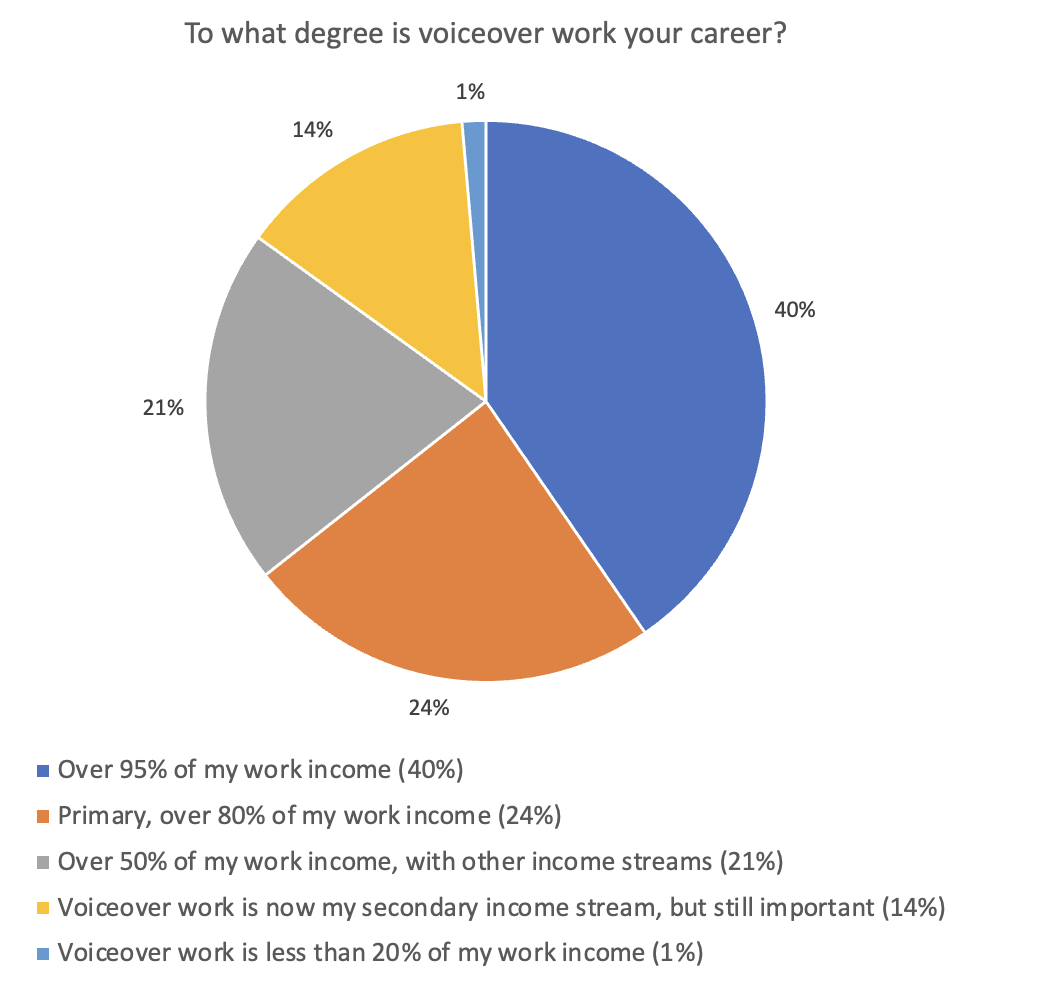
Thank you once again for participating in our survey, which focused on the current state of the industry and the impact of emerging AI technologies.
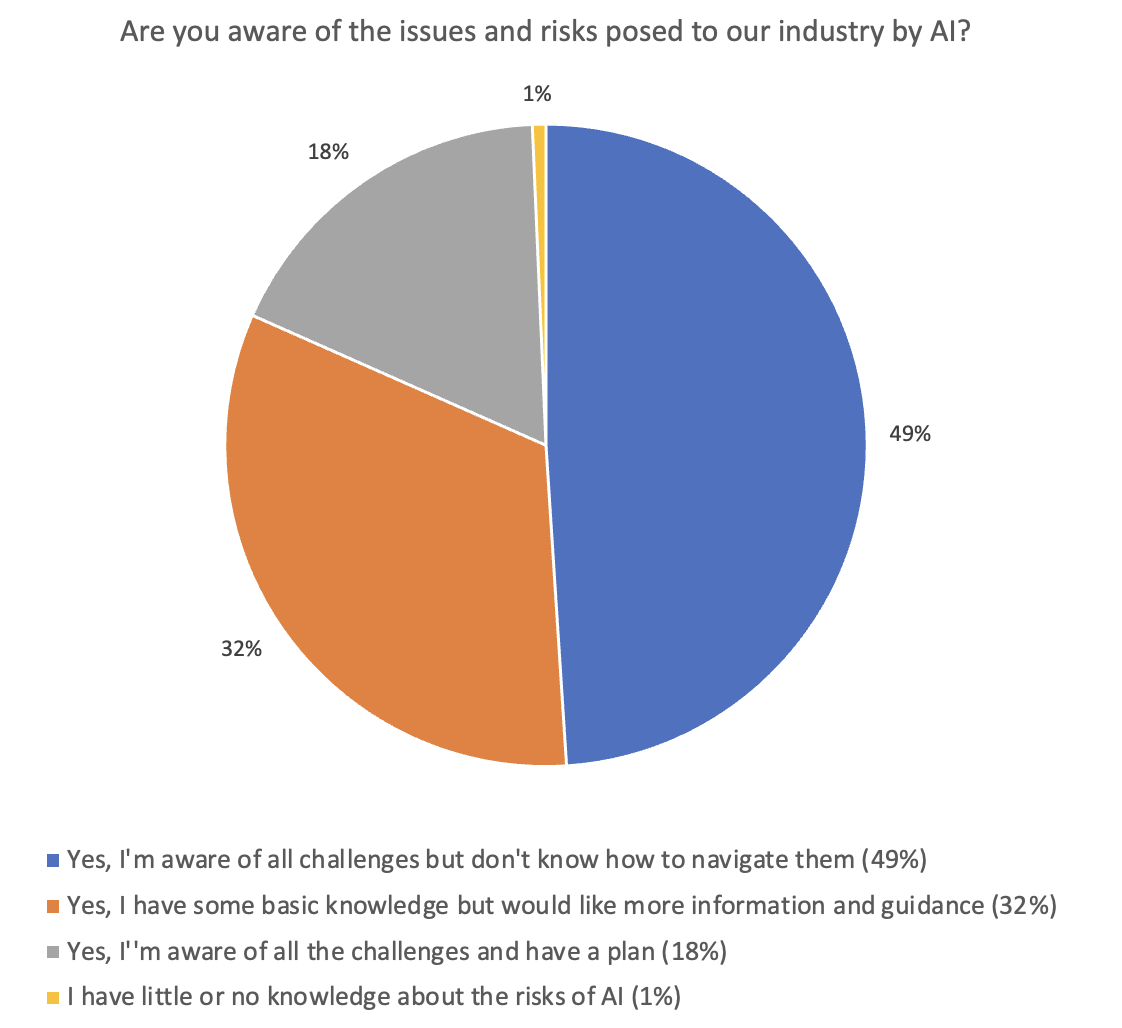
With over 70% of our voices responding, we believe these results accurately reflect the community's sentiments and thoughts at the current time.
In the coming weeks and months, we also plan to offer further guidance, ideas, and insights to help you navigate the challenges associated with AI.
Comments and Ideas
The community have a lot of ideas and concerns and no one single thread or idea takes prominence. But we've summarised the main points below.
Legislation and Regulation: Many artists suggest the need for strict legislation to ensure fair compensation and control over how their voices are used, especially concerning voice cloning.
Human Element and Artistry: Emphasising the unique human qualities that AI cannot replicate, like emotional nuance, passion, and the ability to take direction, is seen as crucial. Advocating for the art and humanity in voiceover work can highlight the value of real human voices.
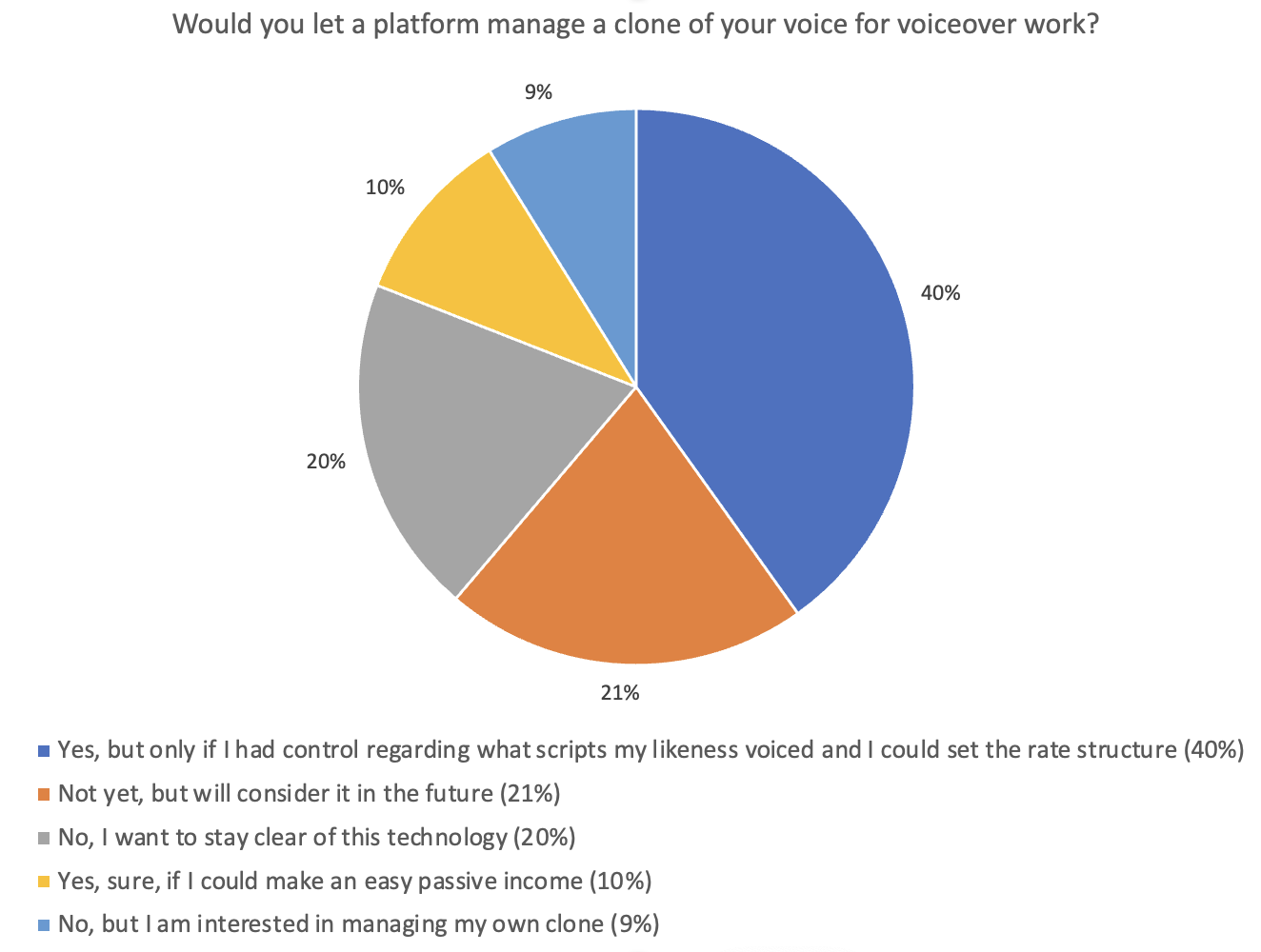
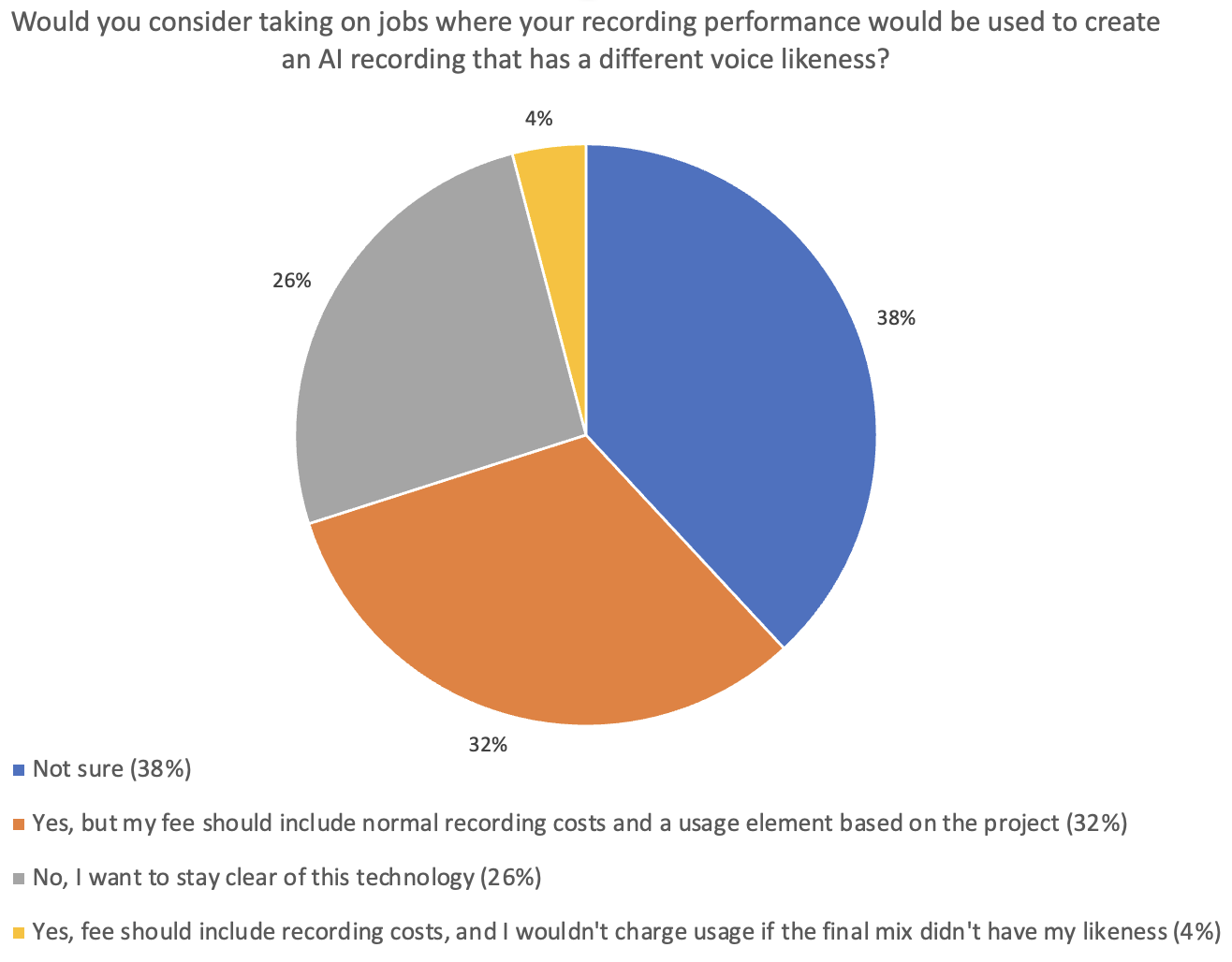
Voice Licensing/Monetising: Some artists are open to the idea of creating AI versions of their voices that they can license out. This approach offers clients a choice and could potentially allow artists to benefit financially from the use of their "digital twin."
Education and Awareness: Educating clients about the benefits of human voiceovers versus AI could influence decision-making. This includes promoting the importance of human connection and storytelling in voice work.
Collaboration with Service Providers: Working with trusted voiceover service providers could help manage and license AI voices, ensuring that artists have some control over how their voices are used.
Content Protection: There were suggestions about using software to recognise and protect vocal characteristics to help prevent misuse.
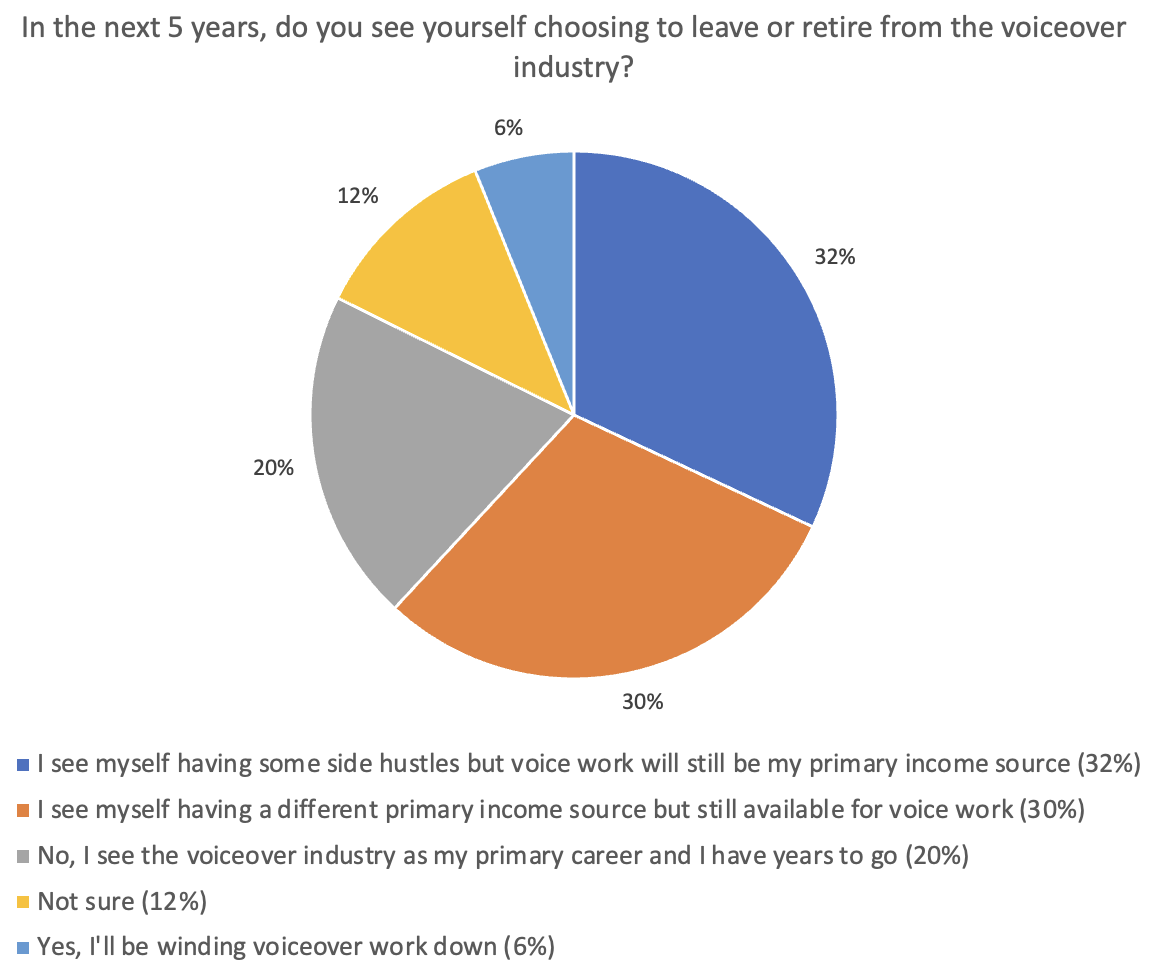
Diversification: Artists are considering diversifying their skills and services offered, potentially moving into areas less likely to be affected by AI, such as live events or coaching.
Enhancing Online Samples: Some artists mention they are adding music beds or other elements to online samples to protect against AI scraping (the automated collection of voice samples for AI training) and other unauthorised uses. This is something we've advised previously.
Engagement and Community: Strengthening relationships with clients and engaging with the voiceover community for support and shared strategies is mentioned as important.
Embracing AI for Certain Uses: Recognising that AI may be suitable for some applications, like low-budget non-broadcast work, while human voices remain essential for higher-value or emotionally complex projects.
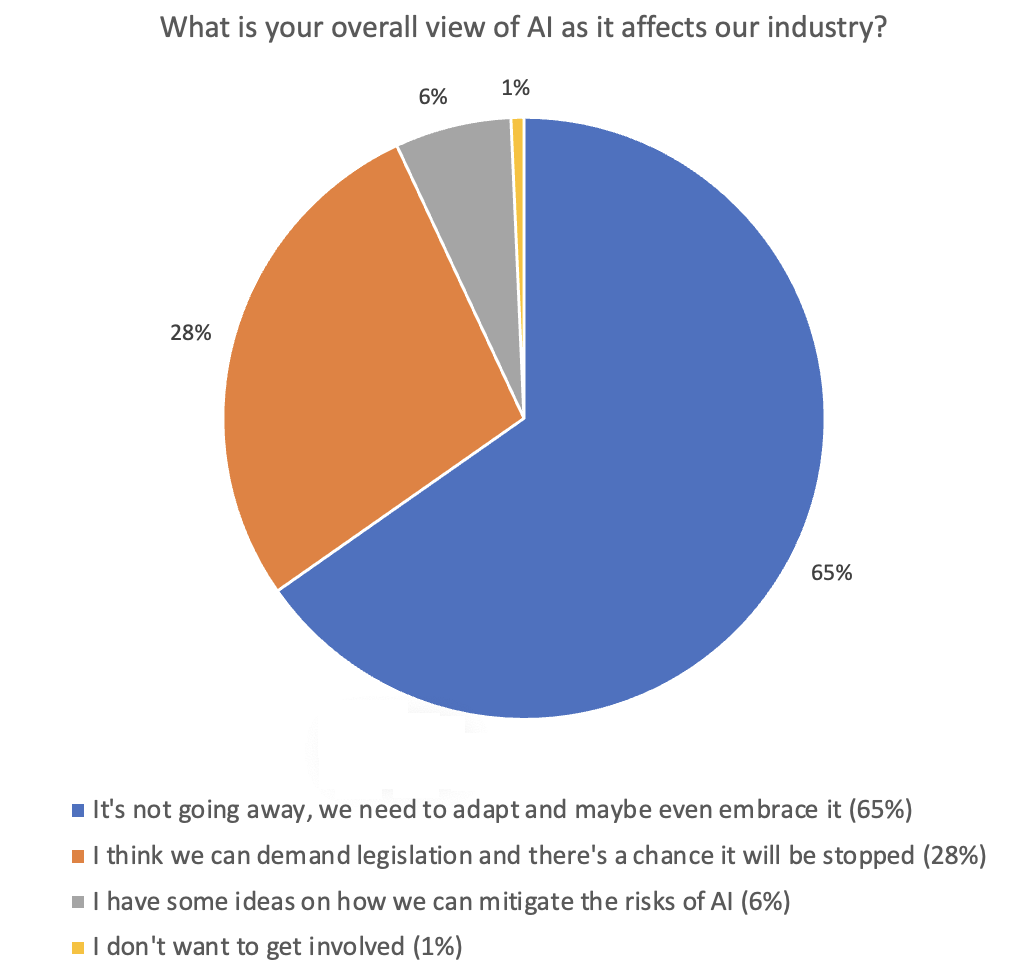
Overall there is a strong desire to protect your craft and livelihoods against the encroachment of AI. Most voices acknowledge the inevitability of technological progress but seek ways to ensure that their talents are not undervalued or misappropriated.
There is a call for advocacy, protection through legislation, and finding a balanced approach where AI and human voices can coexist with proper compensation and ethical considerations.
Summary
We would like to thank everyone for taking part in this survey and for the candidness in your comments and feedback.
We hope you will find the data informative and help you too in evaluating the impact of this emerging technology on our industry, and the important role you play in it.
It is fair to say that the landscape here is moving at an incredibly fast pace, and we will do our best (as our own resources allow) to monitor the situation and report back accordingly. It may be that we re-run the survey at a future date, with questions appropriate to the landscape at the time; and perhaps use this as an opportunity to obtain data which we could relay to organisations who are also monitoring the impact of AI on SMEs and Micro businesses, so they are aware of what is happening in our very unique profession.
Meanwhile, these survey results will remain internal to our Voiceovers.co.uk community.
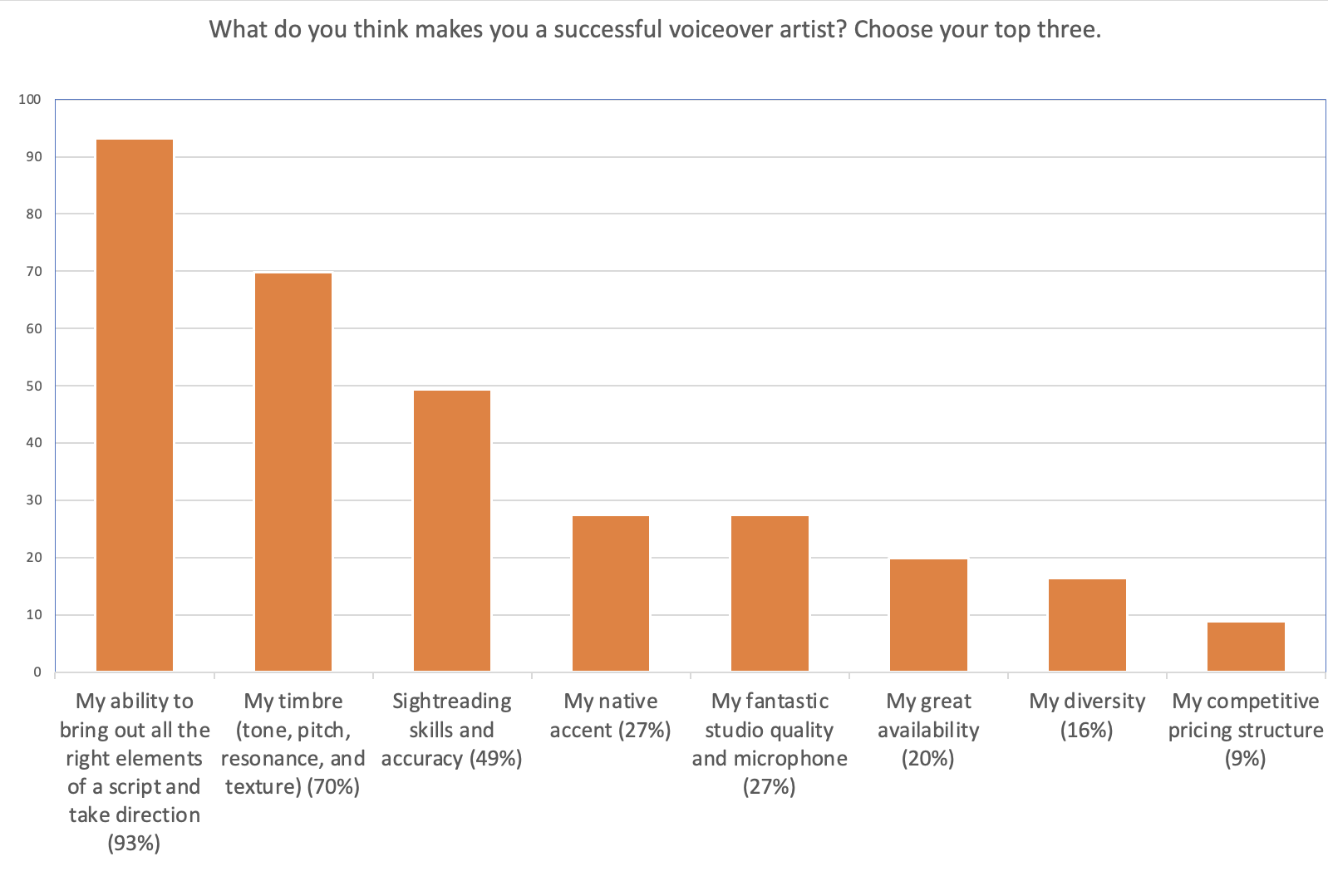
In conclusion it appears that we are all viewing this with a level head, and indeed we must resist switching into ‘panic mode’ but concentrate on what make us great.
We suggest we all remain focussed on providing good customer service, accuracy, flexibility and strengthen the USP of using a real voice – by providing a great experience, thus stregthening the differentiators between our service offering and that of AI. We'll have more to say concerning this soon.